
The Great Mystical Circus

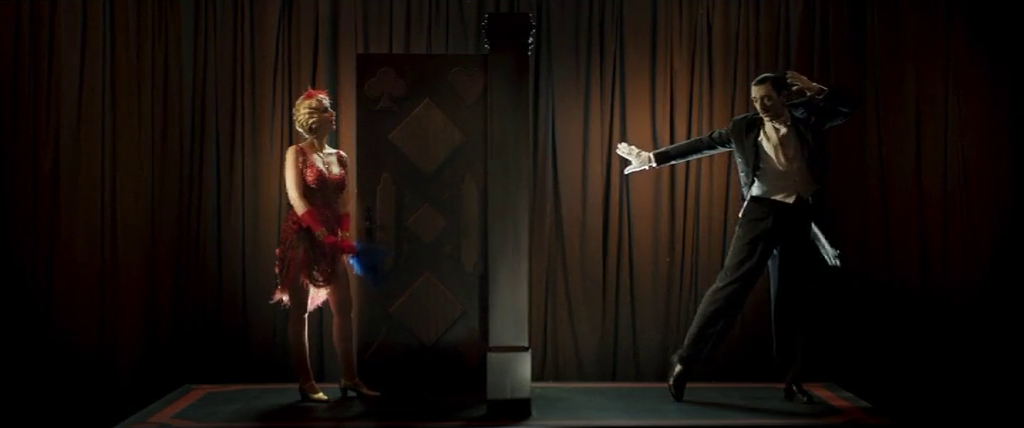
The story of five generations of the same circus family, from the grand opening of the Great Mystical Circus in 1910 to the present day. Celavi, the master of ceremonies that never ages, shows the adventures and loves of the Knieps, from heyday to decadence.Carlos Diegues
romance, drama / 105’ / 2018
In co-production with Luz Mágica, Globo Filmes (Brasil) and Milonga Produções (França).-
Platinum Awards | 2019
Best Original Music
Best Art DirectionCinEuphoria Awards | 2020
Best Makeup
Best Costume Designer (Kika Lopes)
Best Art Direction (Artur Pinheiro)
Best Original Music (Edu Lobo and Chico Buarque)Guadalajara International Film Festival (Ibero-American) | 2019
Best Cinematography (Carlos Diegues)ABC Cinematography | 2019
Best soundCinema Brazil Grand Prize
Best Film
Best Editing (Mair Tavares and Daniel Garcia)
Best Original Soundtrack (Edu Lobo)
Best Sound (Christophe Penchenat, Simone Petrillo and Emmanuel Croset)Malaga Spanish Film Festival | 2019
Best Ibero-American FilmGuarani Prize | 2019
Best Art Direction (Artur Pinheiro)
Best Makeup and Hair (Catherine Leblanc and Emmanuelle Fèvre)
Best Music (Edu lobo) -
Sophia Awards | 2020
Best Art Direction (Artur Pinheiro)ABC Cinematography | 2019
Best Feature Film Photography (Gustavo Hadba)
Best Art Direction (Artur Pinheiro)Cinema Brazil Grand Prize | 2019
Best Cinematography (Gustavo Hadba)
Best Adapted Screenplay (Carlos Diegues and George Moura)
Best Art Direction (Artur Pinheiro)
Best Costume Design (Kika Lopes)
Best Makeup and Hair (Catherine Leblanc and Emmanuelle Fèvre)
Best Visual Effects (Marcelo Siqueira and Thierry Delobel)Guarini Prize | 2019
Best Costume Design (Kika Lopes) -
Sophia Awards | 2022
ABC Cinematography | 2019
Cinema Brazil Grand Prize | 2019 Guarini Prize | 2019
Platinum Awards | 2019
CinEuphoria Awards | 2020
Guadalajara International Film Festival (Ibero-American) | 2019
Malaga Spanish Film Festival | 2019
Poland | Discoveries Section, Warsaw International Film Festival
Brazil | Closing Film - Rio de Janeiro International Film Festival
Brazil | Opening Film - 46th Gramado Film Festival
Spain | Official Competition - 22nd Malaga Festival
47th Belgrade International Film Festival (SRV)
Belgium | Official Competition - 34th Festival International du Films De Mons
Lima Film Festival (PER)
International Film Fine Arts Festival (PR)
Luxembourg | Fortnight of Portuguese Cinema in Luxembourg
Cuba | Festival International de Nuevo Cine Latinoamericano de La Habana
Danish Film Institute (DEN)
Poland | Off Camera Film Festival



PRODUCTION CREDITS
〰️
PRODUCTION CREDITS 〰️
SCRIPT
George Moura, Carlos Diegues
PHOTOGRAPHY
PRODUCTION DESIGN
Gustavo Hadba
Artur Pinheiro
COSTUME DESIGN
Kika Lopes
Renata Almeida Magalhães
DIRECTION
PRODUCTION
Carlos Diegues
Luís Galvão Teles, Jean-Pierre Gardelli, Danielle Ayrolles
CO-PRODUCTION
EXECUTIVE PRODUCTION
Ana Murgel, João Fonseca
Thierry Delobel, Marcelo Siqueira
EDITING
VFX
SOUND
Patricia Saramago
Christiphe Penchenat
ORIGINAL SOUNDTRACK
Chico Buarque e Edu Lobo
Jesuíta Barbosa, Vincent Cassel, Mariana Ximenes, Bruna Linzmeyer, Catherine Mouchet, Antonio Fagundes, Juliano Cazarré,
David Ogrodnik, Nuno Lopes
WITH
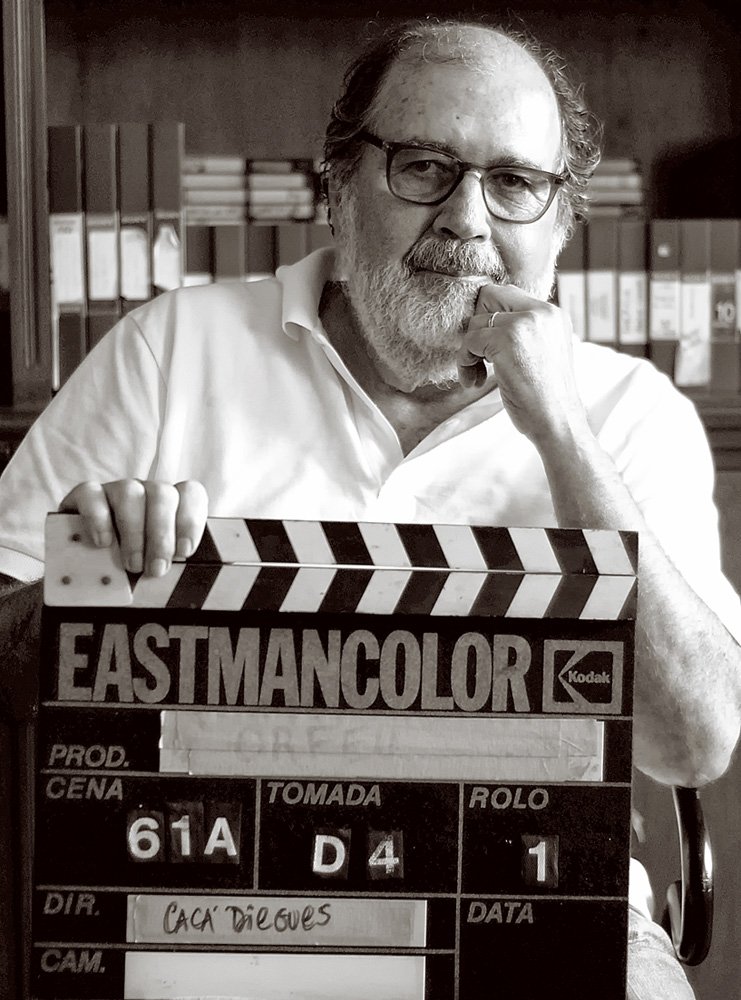
Carlos (Cacá) Diegues
While still a student, Cacá Diegues founded a film club together with future filmmakers David Neves and Arnaldo Jabor. He directed the newspaper "O Metropolitano". He was a member of the Centro Popular de Cultura, linked to the National Student's Union.
In the early sixties, Cacá joined young filmmakers Glauber Rocha, Nelson Pereira dos Santos, Walter Lima Jr, among others, and started the movement known as "Cinema Novo", that intended to change the history of cinema by portraying social and political issues.
After releasing Fuga and Brasília in 1961, Cacá released, with the collaboration of David Neves and Affonso Beato, the short film Domingo, one of the pioneering films of Cinema Novo.
In 1962, Cacá made Escola de Samba Alegria de Viver, one of the documentaries of Cinco Vezes Favela, that brought together five short films produced by the UNE, considered one of the fundamental works for the new cinema movement.